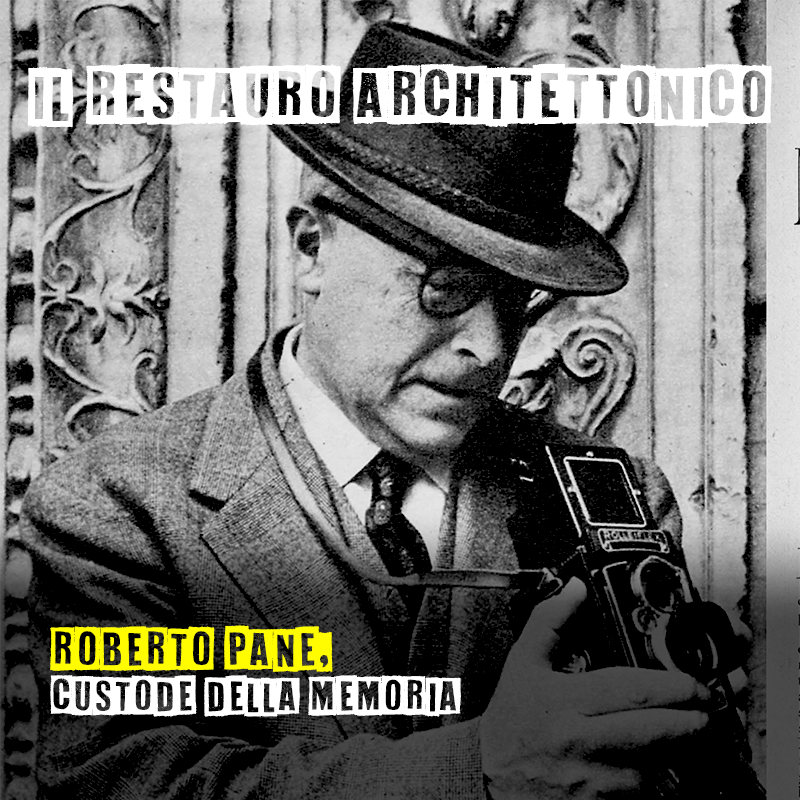

Roberto Pane : Custode della memoria – Il Restauro Architettonico
Questo episodio del podcast Il Restauro Architettonico esplora la vita e l’opera di Roberto Pane, figura centrale nella storia dell’architettura e del restauro italiano. Architetto, docente e intellettuale, Pane ha trasformato il restauro in un dialogo con la memoria storica, promuovendo un approccio critico che valorizza le stratificazioni del tempo senza ricostruzioni arbitrarie. Attraverso i suoi progetti, come il restauro del Tempio Malatestiano e il recupero del centro storico di Napoli, e il suo contributo alla Carta di Venezia del 1964, Pane ha lasciato un segno indelebile nella conservazione del patrimonio culturale. Questo episodio analizza il suo pensiero innovativo e il suo impatto duraturo, ispirando restauratori e amanti della storia.
Oggi vi guiderò in un viaggio approfondito e affascinante nella vita e nell’opera di Roberto Pane, protagonista della storia dell’architettura e del restauro italiano, per me non è stato semplice in quanto frequentando la scuola di specializzazione in beni architettonici e del paesaggio di Napoli(già Scuola di Specializzazione in Restauro dei Monumenti, fondata nel 1969 proprio da Pane, ne avverti il suo immenso lascito e l’importanza di tale figura.
Roberto Pane, architetto e docente di pensiero raffinato, ha inciso profondamente nel restauro architettonico, lasciando un’impronta nel modo di approcciare la conservazione del patrimonio.
La sua opera non si è limitata alla ricostruzione o preservazione dei monumenti, ma ha gettato le basi per una nuova sensibilità culturale che abbraccia l’intero tessuto urbano, integrando il paesaggio e l’anima storica delle città.
Roberto Pane credeva che il restauro non fosse solo un atto tecnico, ma un’opportunità per riscoprire e valorizzare la memoria collettiva di un luogo. Nella sua visione, era un dialogo con il passato, un’azione che non mirava a ricostruire ex novo ma a far emergere l’essenza autentica di ogni edificio.
Attraverso il suo lavoro, Pane ha ridefinito il restauro critico, opponendosi alle ricostruzioni arbitrarie e favorendo interventi rispettosi della stratificazione storica. Questo approccio ha rivitalizzato edifici segnati dal tempo e dalla guerra, preservando l’essenza e l’identità culturale di quartieri e paesaggi.
Il suo impegno non si limitava ai grandi monumenti: Pane credeva nella tutela dei centri storici, borghi e periferie, come dimostrato dal suo lavoro per il centro storico di Napoli. I progetti Santa Chiara e Rione Sanità rappresentano ilsuo impegno nella difesa dell’identità urbana. Riconosceva il valore di ogni angolo di città come testimonianza vivente del passato. Ogni strada, piazza o facciata raccontava una storia e contribuiva all’identità unica di una comunità.
Pane ha lavorato per salvaguardare le grandi opere d’arte e le strutture “minori” che definiscono il carattere di una città storica. La sua attenzione verso questi elementi ha ridefinito il concetto di patrimonio culturale, ampliandolo oltre le sole architetture monumentali.
Oltre alla pratica, Pane è stato un instancabile promotore del dibattito culturale, pubblicando saggi come ‘Napoli Imprevista’ e ‘Architettura rurale campana’, diventati testi di riferimento. La sua capacità di unire pratica e riflessioneteorica ha ispirato generazioni di architetti e studenti. Ha partecipato a convegni nazionali e internazionali, contribuendo a linee guida per il restauro e la conservazione del patrimonio architettonico.
Il suo lavoro ha influenzato il dibattito architettonico italiano e internazionale, contribuendo a documenti fondamentali come la Carta di Venezia del 1964, ancora un pilastro per il restauro conservativo mondiale. Pane ha sottolineato l’importanza di trattare ogni monumento come un unicum, rispettando le sue imperfezioni e le tracce del tempo.
In questo episodio, esploreremo i momenti chiave della carriera di Roberto Pane, come il suo contributo al restauro del Tempio Malatestiano di Rimini e il recupero del Ponte di Santa Trinita a Firenze. Partiremo dalle sue esperienze conGustavo Giovannoni, fino ai progetti che hanno segnato l’architettura italiana. Ci soffermeremo su casi specifici di restauro, analizzando come Pane abbia affrontato e risolto le sfide del suo tempo.
Racconteremo non solo delle sue opere più note, ma anche delle battaglie accademiche e delle idee che lo hanno reso una figura innovativa e imprescindibile nel restauro. Esploreremo come il suo pensiero abbia influenzato generazioni di architetti e restauratori, lasciando una traccia indelebile nel mondo accademico e operativo.
Attraverso aneddoti e testimonianze, vi guiderò alla scoperta di un uomo che ha dedicato la vita a far emergere l’autenticità dietro ogni pietra, valorizzando le cicatrici del tempo. La visione di Pane ci insegna che ogni monumento e rovina porta una storia preziosa da raccontare e preservare.
Scoprirete una visione che ispira restauratori, architetti e amanti della storia, come il recente restauro del centro storico di Matera, dove le linee guida ispirate al lavoro di Pane hanno preservato l’autenticità del paesaggio urbano. Questo viaggio ci aiuterà a comprendere l’architettura e l’importanza di preservare ciò che rende unica ogni città e comunità.
Alla fine di questo episodio, avrete uno sguardo più profondo su come la passione e dedizione di un uomo influenzinola percezione del patrimonio storico e culturale. Ogni gesto di restauro, per Pane, diventa un atto d’amore verso le generazioni future, affinché possano camminare tra le memorie vive del passato.
CHI ERA ROBERTO PANE?
Roberto Pane nasce a Taranto il 21 novembre 1897 e muore a Sorrento nel 1987. Tra le sue opere spiccano il restauro del Tempio Malatestiano di Rimini e il contributo alla conservazione del centro storico di Napoli. La sua figura è legata a Napoli, città amata e difesa nella sua vita. Pane ha fuso le sue competenze artistiche con una visione innovativa dell’architettura e del restauro, diventando una figura chiave nella protezione del patrimonio storico italiano.
Dopo il liceo Genovesi, Pane si avvicina all’arte nello studio di Vincenzo Gemito, uno dei più importanti scultori dell’epoca. Qui sviluppa una passione per il disegno, la pittura e l’incisione, apprendendo tecniche che affineranno la sua sensibilità artistica. L’influenza di Gemito, noto per l’attenzione ai dettagli e la fedeltà alla tradizione classica, si riflette in progetti come il restauro del Rione Sanità e interventi su edifici storici minori di Napoli. Questo approccio sarà una costante nella sua carriera di architetto e restauratore.
Pane non è solo un architetto, ma anche un fervente intellettuale, artista e antifascista. Durante la Prima Guerra Mondiale, combatte con coraggio, vivendo esperienze che lo segnano. La devastazione bellica rafforza in lui la consapevolezza di proteggere il patrimonio artistico, ispirando il suo impegno nella tutela di edifici e centri urbani danneggiati. La partecipazione all’impresa di Fiume con D’Annunzio è una testimonianza del suo carattere combattivo e della volontà di difendere i valori in cui crede. Questi eventi rafforzano la sua convinzione che la memoria storica e culturale sia un bene da proteggere. Le esperienze di guerra accrescono in lui una sensibilità verso la fragilità del patrimonio architettonico, stimolandolo a impegnarsi attivamente contro la distruzione del paesaggio urbano e delle testimonianze del passato.
Il percorso accademico di Pane si sviluppa tra Napoli e Roma, due città con un panorama artistico e culturale ineguagliabile. Si laurea presso la Scuola Superiore di Architettura, sotto Gustavo Giovannoni, esperto della teoria del restauro in Italia. Giovannoni diventa per Pane una figura imprescindibile, trasmettendogli una visione del restauro basata sul rispetto delle stratificazioni storiche. Secondo questa prospettiva, i segni del tempo e le tracce delle diverse epoche devono essere valorizzati come parte della memoria architettonica.
Il rapporto con Giovannoni sarà determinante per Pane, che ne erediterà l’approccio metodologico e lo arricchirà con una sensibilità personale, portando avanti l’idea che il restauro non è solo un atto tecnico, ma una riflessione sulla continuità tra passato e presente. Ogni edificio diventa per lui un organismo vivente, il cui valore risiede nella capacità di raccontare la storia attraverso le sue imperfezioni e stratificazioni.
Pane si dedica alla progettazione e al restauro di edifici storici come il Chiostro di Santa Chiara a Napoli e alla formazione di nuovi architetti. La sua attività di docente e la pubblicazione di saggi come ‘Napoli Imprevista’ e ‘Architettura rurale campana’ consolidano la sua influenza nel panorama accademico e culturale italiano.
Roberto Pane emerge come custode del passato e voce nel restauro contemporaneo, un punto di riferimento per la tutela del patrimonio architettonico.
IL SUO LAVORO E LA FILOSOFIA DEL RESTAURO CRITICO
Negli anni ’30, Roberto Pane inizia a lavorare come architetto presso la Soprintendenza alle Antichità di Napoli, collaborando con Amedeo Maiuri, esperto della tutela archeologica italiana. Questo periodo rappresenta per Pane una fase cruciale di crescita professionale, permettendogli di confrontarsi con siti storici come Pompei, Ercolano e l’areaflegrea. Il suo contributo alla protezione dell’Anfiteatro di Pompei, minacciato da interventi invasivi, evidenzia il suo impegno nella salvaguardia del patrimonio antico. L’esperienza sul campo rafforza la sua convinzione che la conservazione dei monumenti dipenda dalla comprensione del contesto storico e culturale.
Nel 1942, Pane ottiene la cattedra di Caratteri Stilistici e Costruttivi dei Monumenti, inaugurando una stagione accademica che lo vedrà protagonista nella formazione di generazioni di architetti. Tra i suoi studenti spicca Paolo Marconi, figura di rilievo nel restauro critico e nella conservazione architettonica in Italia. La sua visione pedagogica include visite dirette ai cantieri di restauro, ponendo l’accento sull’importanza dell’osservazione diretta delle opere. Questo approccio consente agli studenti di confrontarsi con la materia viva dell’architettura storica, apprendendo sul campo le tecniche di conservazione.
Nel 1950, Pane assume la cattedra di restauro presso la Facoltà di Architettura di Napoli, consolidando il suo ruolo di guida accademica. Sviluppa e diffonde la filosofia del “restauro critico”, rivoluzionando l’approccio alla conservazione del patrimonio. In un’epoca in cui molte ricostruzioni tendevano a idealizzare o reinterpretare i monumenti, Pane sostiene che ogni intervento debba rispettare la stratificazione storica e i segni del tempo. La tutela dell’ambiente architettonico e urbano è imprescindibile dalla conservazione del centro storico, riconoscendo che i monumenti non esistono isolati, ma sono parte di un contesto che ne definisce il valore. Per lui, il restauro non deve restituire un’immagine idealizzata, ma valorizzare ogni fase evolutiva del monumento.
Durante la Seconda Guerra Mondiale, l’Italia subisce distruzioni del patrimonio architettonico. Pane opera in un periodo di emergenziale ricostruzione, con pressioni per ripristinare rapidamente l’aspetto originario degli edifici. Un esempio significativo è la sua opposizione alla ricostruzione del chiostro di Santa Chiara a Napoli, danneggiato daibombardamenti. Pane si oppone a ricostruzioni arbitrarie, insistendo sulla necessità di preservare le tracce dei danni e delle trasformazioni, rendendo il chiostro un simbolo delle ferite del tempo. È in questo scenario che Pane elabora i principi del restauro critico, un approccio che privilegia l’autenticità delle rovine e delle imperfezioni come testimonianza della continuità storica.
«Verrà sempre il momento in cui sarà necessario gettare un ponte, operare una congiunzione, e ciò potrà esser fatto soltanto grazie a un atto creativo nel quale chi opera non troverà altro aiuto se non in se stesso, né potrà, come avveniva una volta, illudersi che gli stia accanto a guidarlo il fantasma del primitivo creatore. […] In questo campo non può essere dettata una regola fissa, perché altrettanto varrebbe dettarla all’attività delo spirito crítico. Ogni monumento dovrà, dunque, essere visto come un caso unico, perché tale è in quanto opera d’arte, e tale dovrà essere anche il suo restauro.»
scrive Pane, ribadendo che il restauro non può seguire modelli standardizzati. L’unicità di ogni opera d’arte o edificio storico deve riflettersi in un intervento su misura, rispettando e raccontando la storia del monumento attraverso le sue stratificazioni. Pane crede che rimuovere i segni del tempo significhi cancellare la memoria del luogo, privandolo dellanarrazione che lo rende testimone di epoche e culture diverse.
Nel 1956 afferma:
«la maggior bellezza di una città consiste nel suo valore di organismo, ancor più che nei suoi monumenti eccezionali: le opere insigni sono inseparabili dal loro ambiente così come dal loro respiro». «A differenza di mezzo secolo fa, il discorso va esteso ai valori di ambiente. […] Il valore di ciò che ci sta intorno e che costituisce la scena della nostra vita quotidiana non consiste soltanto nell’importanza di un’insigne chiesa, oppure di un’insigne scultura, ma è, invece, qualche cosa di diverso. Parlo dell’ambiente, che è il risultato di una corrente produzione, che ha una sua civiltà, che ha una sua qualificazione anche estetica, direi gergale, diffusa, ecco corale è precisamente la parola, l’attributo dei valori ambientali.»
La sua idea di ‘ambiente’ non riguarda solo il paesaggio naturale, ma l’intero tessuto urbano, fatto di relazioni tra edifici, spazi pubblici e storia collettiva.
Pane contrasta la tendenza del dopoguerra di ricostruire i monumenti secondo un’estetica idealizzata, spesso slegata dalla loro realtà storica. Il mondo della memoria e all’istanza psicologica:
«il mondo della memoria è precisamente rappresentato dalle grandi voci del passato, siano esse espressioni plastiche, che si manifestano nella pietra o nel colore di un affresco, di una tavola, siano esse un testo di Platone o una grande poesia. […] L’uomo potrebbe vivere senza memoria? Non potrebbe assolutamente. La città i n quanto tale, in quanto civitas, in quanto organizzazione e stratificazione di vita associata, altrettanto non può rinunziare alla sua memoria, al complesso dellengrandi opere, alla coralità ambientale». «Si può affermare che la nostra stratificazione psicologica trovi il suo riflesso in quella dell’ambiente esterno; per cui la vera e più intima ragione del nostro attaccamento alle testimonianze del passato nasce proprio da questa immedesimazione e non da un compiacimento puramente estetico verso immagini irripetibili.»
affermava Pane, criticando la volontà di cancellare i segni del passato a favore di una bellezza ricostruita. Un edificio restaurato deve raccontare la propria storia in modo trasparente, senza celare i segni delle ferite del tempo. Questo approccio valorizza il monumento e invita la comunità a confrontarsi con il proprio passato in modo autentico.
L’approccio di Pane ha un impatto duraturo come riferimento per la comunità internazionale del restauro. La sua influenza si riflette nelle linee guida di documenti internazionali, come la Carta di Venezia del 1964, che consacra iprincipi di Pane come pilastri della conservazione architettonica. Un punto cardine della Carta, ispirato da Pane, sottolinea che ‘il restauro deve fermarsi dove comincia l’ipotesi’, affermando l’importanza di non procedere con ricostruzioni arbitrarie che alterino la verità storica del monumento.
Oggi, il restauro critico di Pane continua a essere studiato e applicato, testimoniando la forza e la lungimiranza delle sue idee. La sua eredità vive nei monumenti preservati e nei professionisti che seguono i suoi insegnamenti, mantenendo viva la sua visione di un restauro che rispetta e valorizza la storia.
IL DIBATTITO SUL RESTAURO DI SANTA CHIARA
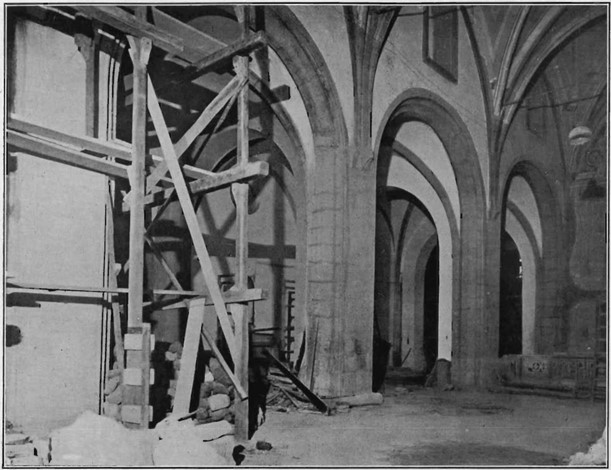
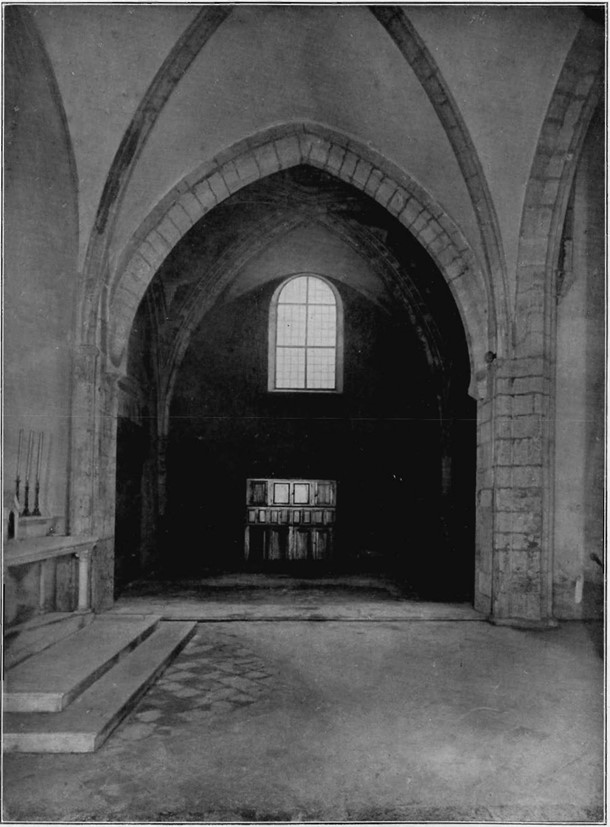
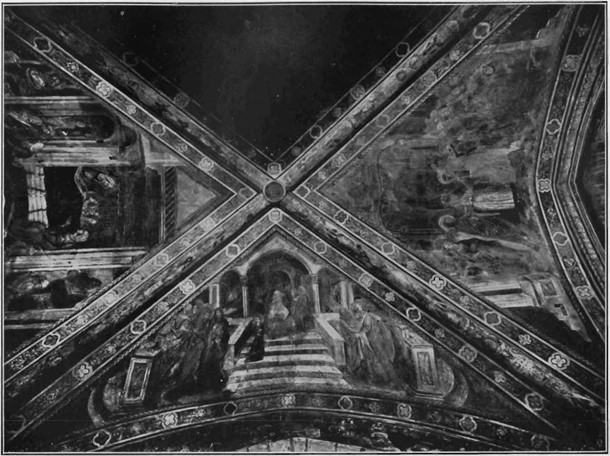
La Basilica di Santa Chiara, costruita nel XIV secolo per volere di Roberto d’Angiò e della regina Sancia di Maiorca,divenne un importante centro religioso, politico e culturale per il Regno di Napoli. Simbolo del potere angioino, la basilica incarnava l’ambizione della dinastia di lasciare un’impronta duratura, fungendo da spazio di rappresentanza e luogo di sepoltura per i sovrani. Rifletteva l’ambizione di creare un complesso rappresentativo del prestigio e dellaspiritualità della dinastia, arricchito da opere d’arte e affreschi dei migliori artisti dell’epoca, ed è un esempio significativo di architettura gotica in Italia meridionale. L’imponente complesso monastico, situato nel cuore di Napoli, è sempre stato un simbolo identitario per la città. Tuttavia, i bombardamenti della Seconda Guerra Mondiale inflissero gravi danni alla basilica, portando a un intervento di restauro emblematico e controversi della ricostruzione post-bellica italiana.
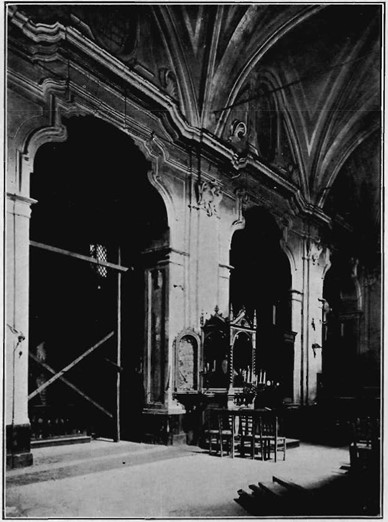
Il dibattito verteva sulla questione di ripristinare l’aspetto barocco della chiesa, frutto di trasformazioni nel XVII secolo, o riportarla alla sua originaria veste gotica trecentesca. La Basilica aveva subito numerosi interventi nel corso dei secoli, che avevano arricchito il monumento con elementi barocchi, ma avevano celato l’aspetto medievale.
Roberto Pane non fu direttamente responsabile del restauro di Santa Chiara, ma contribuì attivamente al dibattito critico. In qualità di storico dell’architettura e accademico, Pane influenzò le decisioni di restauro dell’epoca, promuovendo la conservazione del patrimonio come espressione della memoria collettiva. Il suo pensiero, diffuso attraverso pubblicazioni e convegni, orientò molte pratiche di restauro in Italia, delineando un approccio basato sul rispetto della stratificazione storica degli edifici. Si oppose alla ricostruzione dell’interno barocco, sostenendo che il restauro dovesse rivelare e valorizzare la stratificazione storica dell’edificio. Un approccio simile venne adottato da Pane per il restauro del Tempio Malatestiano di Rimini, un capolavoro dell’architettura rinascimentale progettato da Leon Battista Alberti. Pane lavorò per preservare i resti delle fasi medievali, resistendo alla tentazione di uniformare l’intero complesso al linguaggio rinascimentale. Riconobbe che la sovrapposizione di epoche rappresentava una parte essenziale della storia del Tempio Malatestiano e si adoperò per conservare i segni delle trasformazioni storiche. Pur non dirigendo i lavori, Pane considerava la distruzione parziale della basilica come un’opportunità per riscoprire le tracce medievali, sepolte sotto secoli di interventi. Questa posizione rispecchiava la sua filosofia del “restauro critico”, che mira a preservare i segni delle varie epoche di un monumento, evitando ricostruzioni ipotetiche che potrebbero alterarne l’autenticità. Secondo Pane, il restauro doveva limitarsi a consolidare e proteggere ciò che rimaneva, lasciando che le imperfezioni e le stratificazioni raccontassero la storia del monumento.
In ‘Il Restauro dei Monumenti’, Pane affermava:
«Il restauro di Santa Chiara non è soltanto un’opera di ricostruzione materiale, ma un atto di rispetto verso la memoria collettiva della città. Ogni intervento che si allontani da questa visione rischia di compromettere l’identità stessa del monumento».
Questo pensiero influenzò il dibattito sul restauro della basilica, sebbene Pane non fosse direttamente coinvolto. Le sue idee furono riprese e sostenute da molti suoi allievi e colleghi, che contribuirono all’approccio finale. La sua insistenza sulla stratificazione storica influenzò la scelta di preservare alcuni elementi medievali, in linea con la visione di un restauro che non cancellasse le tracce delle diverse epoche.». Questo approccio rifletteva la sua convinzione che ogni monumento dovesse essere trattato come un organismo vivente, le cui cicatrici e trasformazioni fanno parte della sua storia e del suo valore identitario.
La decisione finale di riportare Santa Chiara alle sue forme gotiche originali suscitò opinioni divergenti. Tra i critici c’era Benedetto Gravagnuolo, storico dell’architettura e docente all’Università di Napoli Federico II, che riteneva che il carattere barocco rappresentasse un’evoluzione significativa dell’edificio e della città di Napoli, sottolineando il rischio di perdere un’importante testimonianza storica. Dall’altro lato, sostenitori come Giulio Carlo Argan elogiavano l’intervento come un esempio di restauro consapevole, in grado di restituire alla città un pezzo fondamentale della sua identità medievale. Il ripristino gotico rafforzò il legame tra la comunità napoletana e le proprie radici medievali, fungendo da catalizzatore per una nuova consapevolezza dell’importanza del patrimonio storico. Tuttavia, le critiche si concentrarono sulla perdita del carattere barocco, considerato una fase evolutiva essenziale dell’edificio e della storia urbana di Napoli. Il restauro suscitò dibattiti accademici, influenzando le pratiche di conservazione in Italia e ispirando un approccio più cauto e rispettoso delle stratificazioni nei restauri successivi.
Questo dibattito segnò profondamente il panorama culturale e architettonico dell’epoca, definendo nuove linee guida per il restauro del patrimonio italiano. Santa Chiara divenne un simbolo della lotta tra innovazione e conservazione, analogamente al restauro del Ponte di Santa Trinita a Firenze. In entrambi i casi, il dibattito si focalizzò sulla scelta tra una ricostruzione fedele all’ultima fase evolutiva o il ripristino di una versione più antica e autentica. Mentre Santa Chiara tornava alle sue forme gotiche trecentesche, il Ponte di Santa Trinita venne ricostruito seguendo i disegni originali di Bartolomeo Ammannati, con un approccio che bilanciava fedeltà storica e utilizzo di materiali autentici recuperati dall’Arno. Questi esempi illustrano le diverse interpretazioni del restauro critico e la volontà di preservare l’identità stratificata dei monumenti. tra la tentazione di ripristinare un passato idealizzato e la necessità di preservare l’autenticità storica dei monumenti. Un caso analogo si verificò con il restauro del Ponte di Santa Trinita a Firenze, distrutto durante i bombardamenti della Seconda Guerra Mondiale. Il dibattito si concentrò sulla decisione di ricostruire il ponte utilizzando le pietre originali recuperate dall’Arno, seguendo i disegni di Bartolomeo Ammannati del XVI secolo. La scelta finale rappresentò un compromesso tra la volontà di conservare l’autenticità materiale e il desiderio di restituire alla città un elemento simbolico della sua identità. Analogamente a Santa Chiara, il restauro del Ponte di Santa Trinita riflette la tensione tra conservazione della memoria storica e ricostruzione fedele, contribuendo a consolidare i principi del restauro critico e stimolando una riflessione più ampia a livello internazionale. dove si optò per ricostruire l’opera utilizzando le pietre originali recuperate dall’Arno. Questi interventi riflettono una più ampia riflessione internazionale sul restauro, consolidata dalla Carta di Venezia del 1964, che sancisce i principi del restauro critico e la necessità di rispettare la stratificazione storica dei monumenti, contribuendo a definire una nuova etica conservativa che pone al centro il valore della memoria storica e dell’autenticità materiale.
Oggi, il restauro di Santa Chiara è un esempio di restauro critico, confermando l’eredità di Roberto Pane e il suo ruolo di pioniere nella tutela del patrimonio architettonico.
RESTAURO DEL TEMPIO MALATESTIANO DI RIMINI
Il restauro del Tempio Malatestiano di Rimini, progettato da Leon Battista Alberti, è uno degli interventi più emblematici del dopoguerra italiano. Colpito da quattro bombardamenti tra il 1943 e il 1944, il Tempio subì danni estesi, tra cui l’inclinazione della facciata, la distruzione della zona absidale e delle cappelle, e la perdita della copertura. Questi danni richiesero un intervento immediato per la messa in sicurezza e il recupero dell’edificio. Il Tempio, gravemente danneggiato dai bombardamenti durante la Seconda Guerra Mondiale, rappresentava un capolavoro architettonico del Rinascimento e un simbolo della città di Rimini e della sua storia stratificata.
Roberto Pane, coinvolto nel dibattito e nella pianificazione del restauro, ha sostenuto un approccio critico e conservativo. L’obiettivo principale non era ricostruire l’edificio secondo un ideale estetico, ma preservarne le ferite ecicatrici come testimonianza storica. Pane riteneva che i segni della distruzione non dovessero essere cancellati, ma integrati nel restauro, rendendo evidente la stratificazione temporale. Un esempio fu l’intervento sulla facciata del Tempio, dove furono lasciate visibili alcune lesioni da bombardamenti. Pane insistette affinché queste cicatrici rimanessero come monito del passato e testimoniassero la storia recente, evitando ricostruzioni idealizzate che potessero alterare la memoria dell’edificio. Dal 1947, Pane fece parte di una commissione ministeriale per guidare il restauro. Si occupò dello smontaggio e rimontaggio dei conci in pietra d’Istria, necessario per motivi statici e per correggere lo squilibrio estetico dei bombardamenti. L’attenzione di Pane si concentrò sul mantenimento delle imperfezioni originarie, evitando interventi che potessero alterare l’autenticità del monumento.
Il restauro del Tempio Malatestiano si è articolato in più fasi. Inizialmente, furono eseguite operazioni di messa in sicurezza e consolidamento delle parti danneggiate, seguite da un’analisi strutturale per valutare la stabilità dell’edificio. Successivamente, venne realizzato un rilievo dettagliato in scala 1:20 per mappare ogni elemento architettonico, in particolare la facciata e i fianchi laterali. Questo lavoro preparatorio fu fondamentale per pianificare la fase di smontaggio e ricollocazione dei conci in pietra d’Istria, rispettando la disposizione originaria. Un rilievo dettagliato in scala 1:20 fu eseguito per mappare la facciata e i fianchi laterali, consentendo una ricostruzione accurata. Lo smontaggio iniziò nel novembre del 1947 e si concluse nell’agosto 1948, mentre il rimontaggio terminò ufficialmente nel luglio 1950. Dopo un’analisi dei danni, si è proceduto al consolidamento delle strutture in piedi e al recupero dei materiali originali tra le macerie. Pane ha insistito sull’importanza di mantenere intatte le parti superstiti e di reintegrare le porzioni mancanti con materiali e tecniche distinti, evitando imitazioni o falsificazioni stilistiche.
Un punto cruciale dell’intervento è stato il ripristino della facciata e delle arcate laterali. La facciata presentava un’inclinazione significativa dovuta al cedimento delle fondamenta causato dai bombardamenti, richiedendo un lavoro di consolidamento strutturale prima dello smontaggio. Ogni conci in pietra d’Istria è stato numerato, catalogato e smontato con cautela per garantire che nessun elemento andasse perso. Durante la ricomposizione, si è reso necessario correggere deformazioni accumulate nel tempo, mantenendo però le imperfezioni che raccontavano la storia dell’edificio. L’operazione ha richiesto tecniche avanzate per stabilizzare la struttura senza comprometterne l’integrità storica. I conci di pietra d’Istria, elemento distintivo dell’estetica albertiana, furono smontati e ricomposti con precisione, seguendo una mappatura dettagliata. Questo metodo, “anastilosi”, ha permesso di restituire l’assetto originario alla struttura, rispettando le deformazioni e le alterazioni causate dal tempo e dagli eventi bellici.
In uno dei suoi scritti, Pane osservava: «Il restauro non è un ripristino formale, ma un atto di memoria collettiva, che deve rispecchiare la storia viva di un monumento». Questa visione ha ispirato l’intervento sul Tempio, orientando le scelte progettuali verso una valorizzazione critica e consapevole.
Il completamento del restauro ha avuto un impatto significativo sul patrimonio architettonico di Rimini e sul dibattito teorico accademico e professionale. Il lavoro di Pane fu discusso in vari convegni nazionali sul restauro critico e citato in ‘Il Restauro in Italia’ di Cesare Brandi, contribuendo a consolidare il modello italiano di restauro basato sul rispetto delle stratificazioni storiche. L’approccio di Pane ha contribuito a definire una nuova etica del restauro, incentrata sul rispetto delle stratificazioni storiche e sulla necessità di un dialogo costante tra passato e presente.
Oggi, il Tempio Malatestiano testimonia una filosofia di restauro che vede nell’autenticità e nella memoria storica i pilastri per la conservazione del patrimonio. Questo intervento è studiato e citato come esempio di applicazione dei principi del restauro critico, confermando l’eredità intellettuale di Roberto Pane e il suo contributo alla tutela dei beni architettonici italiani.
PANE E CARTA DI VENEZIA
Nel 1964, Roberto Pane contribuì alla Carta di Venezia, un documento che ha rivoluzionato il restauro architettonico internazionale. Questo testo ha sancito l’importanza di preservare l’autenticità e la stratificazione storica degli edifici, evitando interventi che distorcano la memoria storica dei monumenti.
Un esempio significativo è la ricostruzione del Ponte a Santa Trinita a Firenze, dove Pane promosse una fedeltà rigorosa all’aspetto originario. I principi chiave includono: rispetto per i materiali originali, conservazione dello stato attuale, documentazione rigorosa, integrazione rispettosa di nuove aggiunte e reversibilità degli interventi. Grazie alla sua sensibilità verso le tracce del tempo, Pane ha plasmato linee guida centrali nella conservazione del patrimonio culturale mondiale.
Pane criticava interventi controversi. Si oppose a restauri che uniformavano edifici storici a uno stile preconcetto, ignorando le stratificazioni storiche. Criticò scelte estetiche dettate da urgenze economiche, minando la fiducia nel restauro come strumento di conservazione. Collaborò con istituzioni internazionali, tra cui l’UNESCO, rafforzando il suo ruolo di promotore di un approccio universale al restauro critico. Pane sottolineava l’importanza dei fattori psicologici nel restauro, affermando che “migliorare la convivenza umana” fosse una chiave per la conservazione del patrimonio.
Un’esplorazione approfondita di questo contributo è offerta nel documentario ‘Venezia ’64: Il Monumento per l’Uomo’ su RaiPlay, che analizza il contesto e i protagonisti di questo momento fondamentale nella storia del restauro.
RICOSTRUZIONE E TUTELA DOPOGUERRA
Dopo la Seconda Guerra Mondiale, l’Italia affrontò la ricostruzione del patrimonio distrutto. Pane fu coinvolto in progetti di ricostruzione, distinguendosi per il rispetto dell’autenticità storica. Un esempio è la ricostruzione del Ponte a Santa Trinita a Firenze, minato dai tedeschi nel 1944 e ricostruito “com’era e dov’era” tra il 1955 e il 1958. Pane scrisse: «Di pochi monumenti possediamo documentazioni così complete […] mi servirei delle moderne possibilità costruttive, senza preoccuparmi delle moralistiche obiezioni sulla “sincerità strutturale”».
Questo approccio influenzò numerosi interventi, consolidando Pane come teorico del restauro critico in Italia. Le sue idee ispirarono generazioni di architetti, soprattutto nelle ricostruzioni a Firenze, Roma e Venezia, dove il dibattito tra ricostruzione integrale e conservazione delle tracce storiche fu centrale.
TUTELA DEL PAESAGGIO E URBANISTICA
Parallelamente al restauro, Pane difese il paesaggio e i centri storici italiani, distinguendo tra centro storico e centro antico. Questa distinzione era cruciale per calibrare interventi di tutela e sviluppo. Tra le sue battaglie vi fu la preservazione del centro storico di Napoli e della Costiera Amalfitana, opponendosi a demolizioni e cementificazioni che avrebbero compromesso l’identità culturale. Collaborò a piani paesaggistici che bloccarono interventi invasivi lungo la Costiera e nell’area vesuviana.
Pane introdusse la nozione di diradamento verticale, mirata a ridurre l’altezza dei volumi nei centri storici per preservare l’armonia visiva e migliorare le condizioni di vita urbana. Sosteneva che il restauro e la tutela del paesaggio dovessero procedere di pari passo, considerando il paesaggio parte del patrimonio culturale. Scriveva: «La difesa della natura e dei valori ambientali è coerente con il restauro del patrimonio che abbiamo ereditato».
EREDITÀ E IMPATTO
Pane denunciò la speculazione edilizia, opponendosi a progetti che avrebbero alterato il volto delle città italiane. Grazie alla sua azione, molte città adottarono piani regolatori che valorizzavano il patrimonio esistente. La sua eredità ispira ancora architetti e urbanisti, rafforzando l’idea che la tutela del patrimonio sia una responsabilità collettiva verso le generazioni future.
Concludiamo questa puntata su Roberto Pane con una delle sue riflessioni più significative:
“Ogni monumento è un caso unico, e come tale deve essere trattato. Rimuovere i segni del tempo significa cancellare la memoria di un luogo.”
Grazie per avere letto e per aver condiviso la sua visione. Alla prossima!





 Il Restauro Architettonico