EN – “Exploring the synergy between astronomy and architecture: how the science of the cosmos influences building design
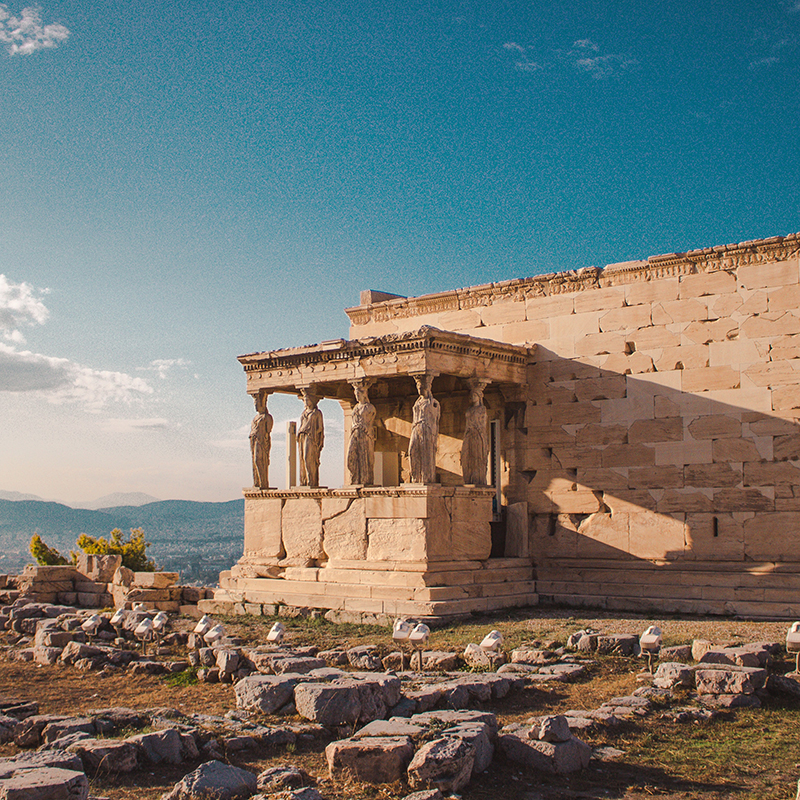
La sinergia tra astronomia e architettura è una tradizione remota che risale a tempi antichi, con molte costruzioni di tutto il mondo che riflettono l’influenza della scienza del cosmo sulla progettazione degli edifici. Ad esempio, i templi egizi erano allineati con i solstizi e gli equinozi, i minareti delle moschee venivano utilizzati per chiamare i fedeli alla preghiera, mentre le cupole delle chiese erano utilizzate come osservatori astronomici.
The synergy between astronomy and architecture is an ancient tradition dating back to ancient times, with many buildings around the world reflecting the influence of the science of the cosmos on building design. For example, Egyptian temples were aligned with the solstices and equinoxes, mosque minarets were used to call worshippers to prayer, and church domes were used as astronomical observatories.
Anche oggi, l’astronomia continua a influire sulla progettazione degli edifici, sia dal punto di vista tecnologico che emozionale. Ad esempio, molte costruzioni moderne utilizzano finestre a doppia parete per controllare la luce solare e creare un’illuminazione naturale efficiente. Alcuni architetti progettano edifici che permettono di ammirare le stelle, creando un legame tra l’uomo e il cosmo. Questi edifici dimostrano come l’architettura possa essere utilizzata per connettere l’uomo con la natura e l’universo, offrendo un’esperienza emozionante e significativa.
Even today, astronomy continues to influence building design, both technologically and emotionally. For example, many modern buildings use double-walled windows to control sunlight and create efficient natural lighting. Some architects design buildings that allow views of the stars, creating a link between humans and the cosmos. These buildings demonstrate how architecture can be used to connect humans with nature and the universe, providing an exciting and meaningful experience.
La conoscenza dei movimenti del sole e della luna sta anche influenzando la progettazione sostenibile degli edifici. Ad esempio, gli architetti possono utilizzare queste informazioni per progettare edifici che massimizzino l’utilizzo della luce naturale e minimizzino l’utilizzo dell’energia artificiale. Questo può non solo migliorare l’efficienza energetica, ma anche creare un ambiente interno più confortevole e accogliente.
Knowledge of the movements of the sun and moon is also influencing the sustainable design of buildings. For example, architects can use this information to design buildings that maximize the use of natural light and minimize the use of artificial energy. This can not only improve energy efficiency, but also create a more comfortable and welcoming indoor environment.
In sintesi, l’astronomia e l’architettura sono due discipline che si sono influenzate a vicenda per secoli, e la loro sinergia continua a progredire. La prossima volta che vi trovate in un edificio, pensate a come la scienza del cosmo abbia influenzato la sua progettazione e come esso vi connetta con l’universo in modo emozionante e significativo. Ricordate che questa sinergia storica tra astronomia e architettura dimostra come la scienza e l’arte possano collaborare in modo armonioso per creare ambienti edificati unici e affascinanti.
In summary, astronomy and architecture are two disciplines that have influenced each other for centuries, and their synergy continues to progress. The next time you stand in a building, think about how the science of the cosmos has influenced its design and how it connects you with the universe in exciting and meaningful ways. Remember that this historic synergy between astronomy and architecture demonstrates how science and art can collaborate harmoniously to create unique and fascinating built environments.
Ecco alcuni esempi di edifici moderni che mostrano la sinergia tra astronomia e architettura:
- Planetario di Atacama, Cile: Questo edificio è stato progettato per ospitare un’esperienza immersiva sotto le stelle, con una cupola trasparente che offre una vista spettacolare del cielo notturno.
- Museo dell’Astronomia e dello Spazio, Belgio: Questo museo vanta una cupola rotante che segue il movimento del sole e della luna, offrendo un’esperienza unica che connetta l’uomo con il cosmo.
- Centro per la Scienza e l’Innovazione di Sydney, Australia: Questo edificio utilizza finestre a doppia parete per controllare la luce solare e creare un’illuminazione naturale efficiente. Inoltre, ha un’apertura a forma di stella nella facciata che permette di ammirare le stelle durante la notte.
- Biblioteca Centrale di Seattle, USA: Questa biblioteca ha una cupola rotante che permette di ammirare il cielo, creando un legame tra l’uomo e il cosmo. Inoltre, utilizza finestre a doppia parete per controllare la luce solare e creare un’illuminazione naturale efficiente.
Questi sono solo alcuni esempi di come l’astronomia sta influenzando la progettazione degli edifici in tutto il mondo. La sinergia tra queste due discipline offre opportunità uniche per creare ambienti edificati significativi e connessi con il cosmo.
Here are some examples of modern buildings that show the synergy between astronomy and architecture:
Planetarium of Atacama, Chile: This building is designed to host an immersive experience under the stars, with a transparent dome offering spectacular views of the night sky.
Museum of Astronomy and Space, Belgium: This museum boasts a rotating dome that follows the movement of the sun and moon, offering a unique experience that connects humans with the cosmos.
Center for Science and Innovation, Sydney, Australia: This building uses double-walled windows to control sunlight and create efficient natural lighting. It also has a star-shaped opening in the facade that allows for stargazing at night.
Central Library in Seattle, USA: This library has a rotating dome that allows people to admire the sky, creating a connection between humans and the cosmos. It also uses double-walled windows to control sunlight and create efficient natural lighting.
These are just a few examples of how astronomy is influencing the design of buildings around the world. The synergy between these two disciplines offers unique opportunities to create meaningful, cosmos-connected built environments.





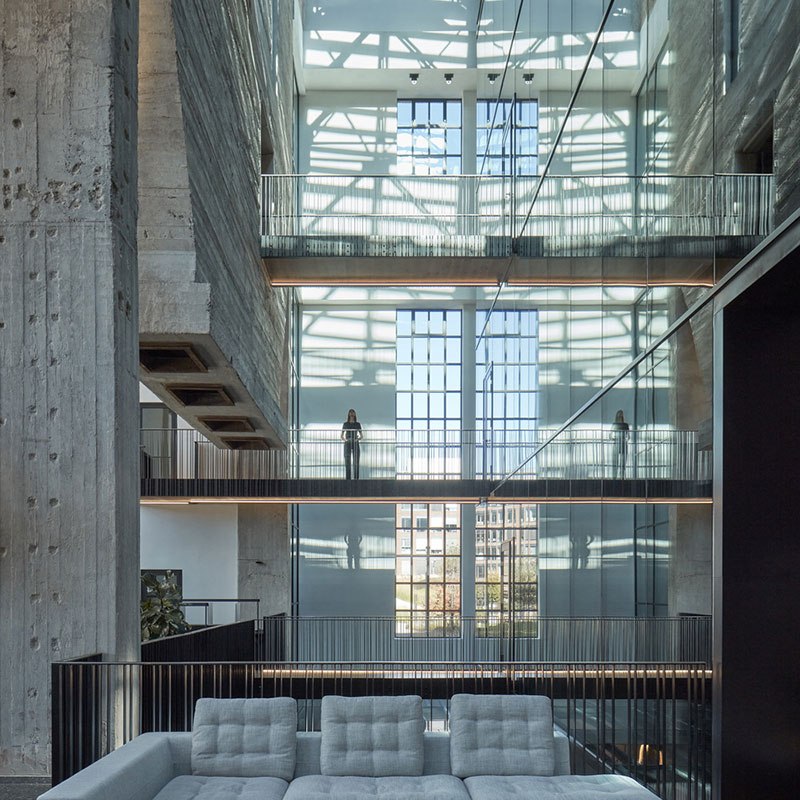
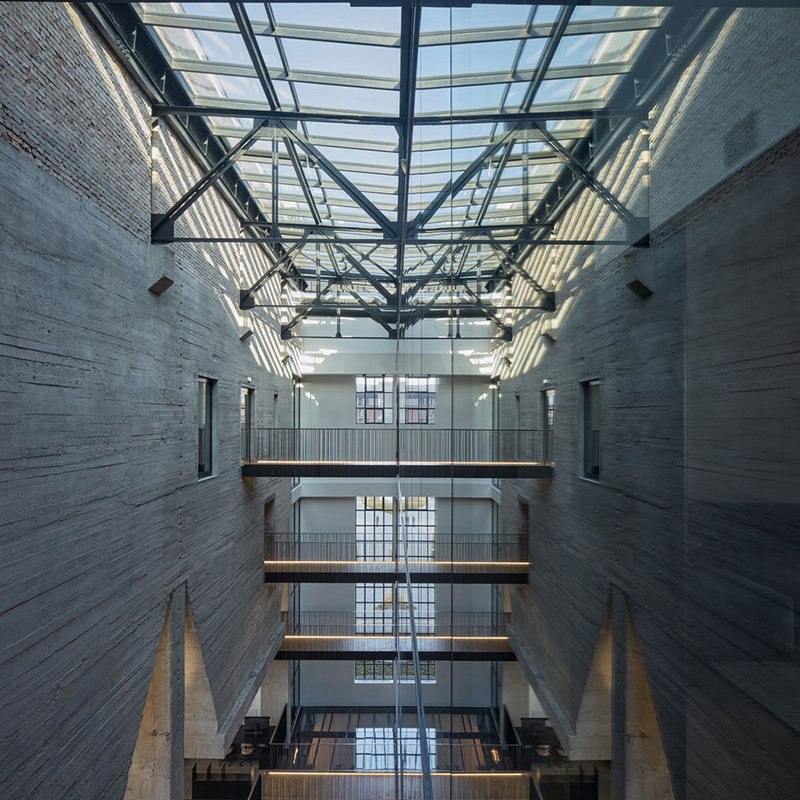
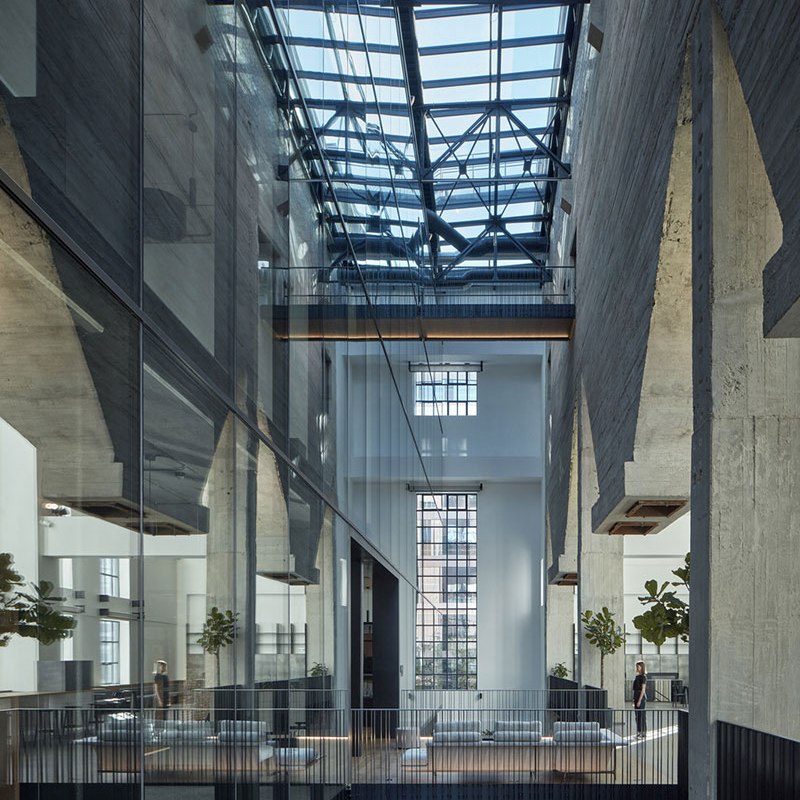
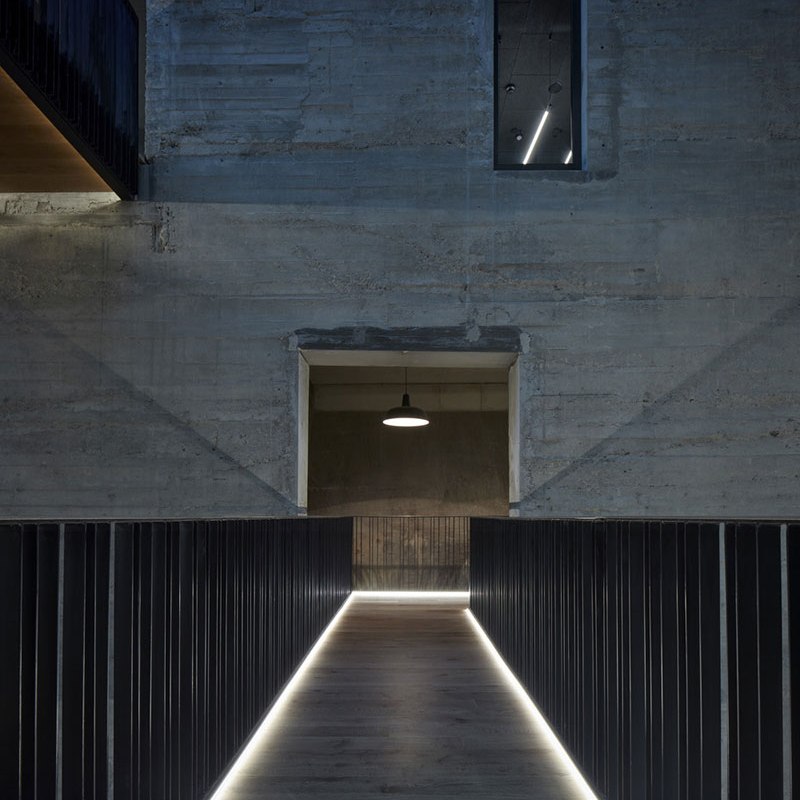


 Il Restauro Architettonico